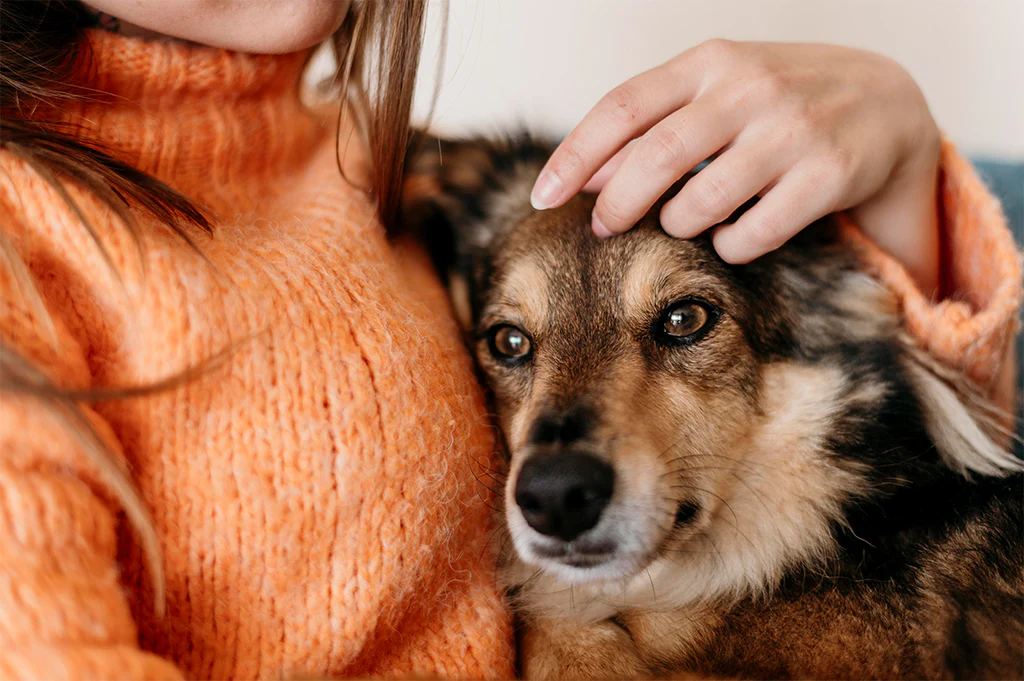
Bringing a new puppy into your home is an exciting adventure filled with joy and a few challenges. Training your puppy early sets the foundation for good behavior and a positive relationship. Here’s a 30-day guide to help you train your puppy effectively.
Week 1: Establishing Basics and Routine
Day 1-3: Getting Acquainted
- Set a Schedule: Establish a consistent daily routine for feeding, walking, playtime, and sleep. Consistency helps your puppy settle into their new environment.
- Potty Training: Start potty training immediately. Take your puppy outside frequently, especially after meals and naps. Praise and reward them when they eliminate outside.
Day 4-7: Introducing Simple Commands
- Name Recognition: Begin teaching your puppy their name. Call their name and reward any acknowledgment or response.
- Basic Commands: Introduce simple commands like “sit” and “come.” Use treats as a reward for compliance.
Week 2: Building on Basics
Day 8-10: Reinforcing Commands
- Practice Commands: Continue practicing “sit” and “come” daily. Use positive reinforcement to encourage obedience.
- Add “Stay” and “Down”: Introduce “stay” and “down.” Be patient and reward small successes.
Day 11-14: Socialization
- Positive Experiences: Gradually expose your puppy to new people, pets, and environments. Ensure experiences are positive to promote confidence.
- Leash Introduction: Begin leash training. Let your puppy get accustomed to the leash indoors before transitioning outside.
Week 3: Enhancing Skills and Consistency
Day 15-17: Developing Leash Skills
- Leash Training: Take short walks, rewarding your puppy for walking beside you and not pulling.
- Directional Commands: Introduce cues like “heel” or “let’s go” to guide these walks.
Day 18-21: Advanced Socialization
- New Experiences: Introduce new sounds, surfaces, and environments to build resilience.
- Meeting Other Dogs: Arrange safe, controlled playdates with well-socialized dogs.
Week 4: Refining and Reinforcing
Day 22-24: Practicing in Public
- Outdoor Training: Practice commands in different locations, such as parks or pet-friendly stores, to reinforce training amidst distractions.
Day 25-28: Managing Unwanted Behaviors
- Chewing and Biting: Redirect inappropriate chewing and biting to toys. Use commands like “leave it” with consistent corrections.
- Jumping and Barking: Discourage jumping by ignoring your puppy and rewarding calm behavior. Use distraction techniques to manage excessive barking.
Day 29-30: Review and Focused Training
- Review Commands: Spend these days reviewing all the commands and skills learned. Focus on areas needing improvement.
- Positive Reinforcement: Ensure every success is met with praise and rewards to encourage ongoing compliance.
General Tips for Success
- Short Sessions: Keep training sessions short (5-10 minutes) to maintain your puppy’s attention.
- Positive Reinforcement: Use treats, praise, and play to motivate and reward your puppy.
- Consistency is Key: Consistency across all family members in commands and routines enhances learning.
- Stay Patient: Every puppy learns at their own pace, and patience is essential. Celebrate progress along the way.
- Health Considerations: Ensure your puppy’s vaccinations are up-to-date, especially before socializing with other animals.
When to Seek Professional Help
- Persistent Issues: If your puppy shows persistent behavioral problems or you struggle with training, consider professional help.
- Training Classes: Puppy training classes can offer structured environments and socialization opportunities.
Training your puppy in 30 days is achievable with dedication, consistency, and patience. These early lessons lay the groundwork for a well-behaved and happy pet, strengthening the bond you share. Remember to make training fun for your puppy and relish the joyful process of watching them grow and learn.